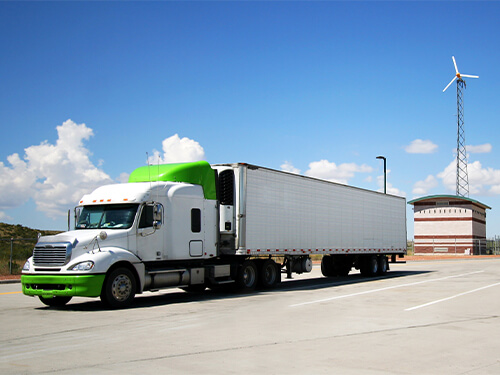
Energy Efficient & Resilient Freight Technology
Accelerating energy efficient and resilient freight systems through regional collaboration and innovation.
The Energy Efficient and Resilient Freight Technology program area helps accelerate the transition to energy efficient vehicles and infrastructure, with an emphasis on the critical regional freight corridors. Our aim is to build more efficient and resilient transportation systems and supply chains leveraging Coalition partnerships and working groups that bring together energy and utility companies, fleets, transportation planning organizations and DOTs. Together, we collaborate on practical solutions, reduce duplication of efforts and resources, and advance energy efficient initiatives in freight. Efforts include:
- Increasing connectivity in the network of fueling options for various energy efficient medium- and heavy-duty vehicle technologies
- Training the workforce to build, maintain, operate, and service energy efficient vehicles and infrastructure
- Addressing public perception about energy efficient vehicles and infrastructure through education
- Providing tools and resources to help navigate cost of new and efficient equipment, especially for smaller fleets and owner/operators
Program Area Lead

Working Group






Projects
Addressing Common Myths about Sustainable Freight
A key focus of the Carbon-Neutral and Sustainable Freight program area of the D2D Coalition is decarbonizing medium- and heavy-duty vehicles (MHDVs), which contribute significantly to U.S. transportation greenhouse gas emissions. A D2D working group was assembled to tackle the challenge of widespread public misperceptions around climate change and EV technology. The working group explored 15 prevalent misperceptions that are impeding sustainable freight progress. These included beliefs such as electric vehicles being less safe than diesel vehicles, electric trucks being too expensive or ineffective in cold climates, and the idea that electrification merely shifts emissions elsewhere.
Electrifying Freight: Case Studies and Strategies for Scaling Zero-Emission Trucking Ecosystems
Electrifying medium- and heavy-duty freight vehicles (MHDVs) is critical to meeting climate goals but significant challenges remain; these include high costs, complex infrastructure, and limited public charging. This project highlights real-world models and strategies supporting the transition to zero-emission freight, with a focus on charging infrastructure and enabling partnerships.
If you are a D2D partner and would like to read the full reports, please email us.